

We care about your privacy
We use cookies to optimise site functionality and give you the best possible experience.
Our Story
Established in 2016, the Energy Transitions Commission has become a leading global authority on how to deliver a zero-emissions economy. The commission brings together a range of organisations – energy producers, energy-intensive industries, technology providers, finance players and environmental NGOs – that operate across developed and developing countries. This diversity of viewpoints informs our work: our analyses are developed with a systems perspective through extensive exchanges with experts and practitioners.
Our work has helped shift the debate from whether net zero is possible to how to implement it, demonstrating that decarbonising the global economy is both technically and economically feasible, with long-term costs lower than continued fossil fuel dependence.
Explore the milestones below to see how the ETC’s work and the energy transition have evolved over the past decade.

2016
2018
2019
2020
2021
2022
2023
2024
2025
2026
2016
From Paris Ambition to Practical Pathways (2016-2017)



2016
From Paris Ambition to Practical Pathways (2016-2017)
The Paris Agreement enters into force, committing countries to limit warming to well below 2°C by mid-century.
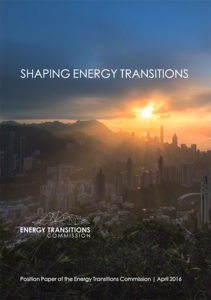
The Energy Transitions Commission is is launched to turn climate ambition into practical decarbonisation pathways. Its first paper, Shaping Energy Transitions, shows that falling costs and technological progress make a zero-carbon electricity system achievable.
In Pathways From Paris, ETC analyses national climate pledges and identifies the key policies needed to accelerate emissions reductions.


0
Companies with net-zero targets

24%
Renewable % of electricity generation (Ember)

1%
EVs as a share of global vehicle sales (%) (IEA)
2018
Evidence Shows Heavy Industry Can Decarbonise




2018
Evidence Shows Heavy Industry Can Decarbonise
The IPCC Special Report on 1.5°C places net-zero emissions at the centre of climate pathways, bringing heavy industry into sharper focus.
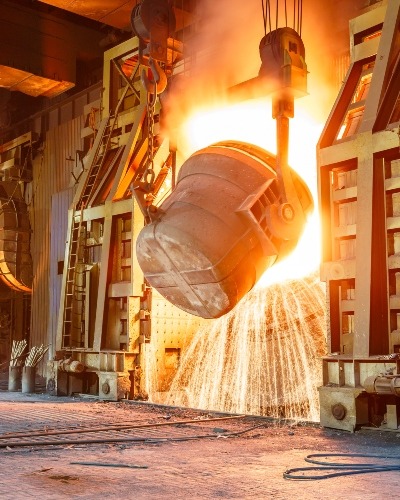
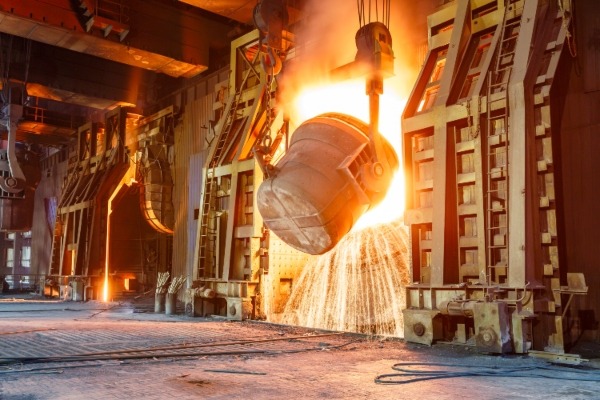
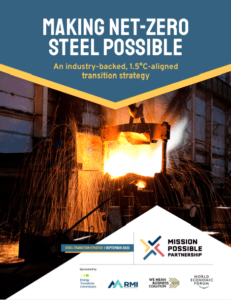
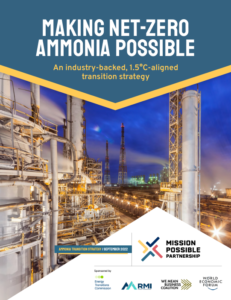
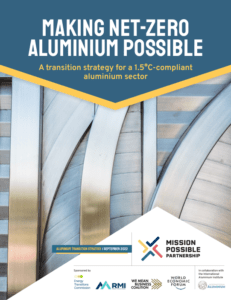
ETC’s landmark report, Mission Possible, shows that steel, aluminium, chemicals, cement and long-distance transport can reach net-zero by mid-century. The analysis demonstrates to business and policymakers that decarbonising energy-intensive sectors is technically and economically feasible.

~100
Companies with net-zero targets
25%
Renewable % of electricity generation (Ember)
2%
EVs as a share of global vehicle sales (%) (IEA)
2019
Renewable Energy and Regional Pathways Expand


Dr. Ajay Mathur, former Co-Chair of the Energy Transitions Commission.




2019
Renewable Energy and Regional Pathways Expand
Governments step up climate ambition: the EU launches the Green Deal, the UK adopts a net-zero 2050 target, and China and India accelerate solar and wind deployment.
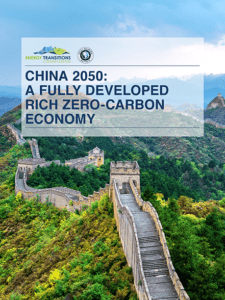
ETC expands its regional work. With the Rocky Mountain Institute, the ETC outlines a pathway for China to fully decarbonise its economy while sustaining growth. With TERI and Climate Policy Initiative, the ETC identifies how energy flexibility can enable a reliable, low-cost clean power system in India.
These studies helped build confidence that large emerging economies can achieve zero-emissions development pathways, supported by sustained policy action and investment that have driven China’s and India’s rapid growth in clean energy and electrification.
~250
Companies with net-zero targets
25%
Renewable % of electricity generation (Ember)
3%
EVs as a share of global vehicle sales (%) (IEA)
2020
Major Economies Commit to Net-Zero


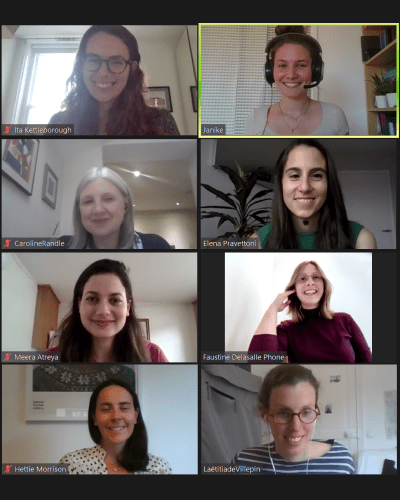
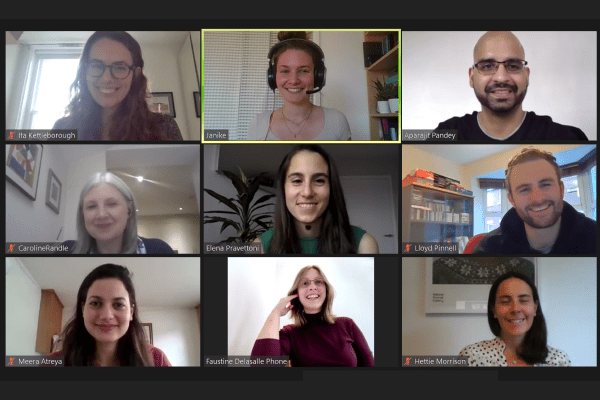
The ETC team working remotely through the COVID-19 pandemic
2020
Major Economies Commit to Net-Zero
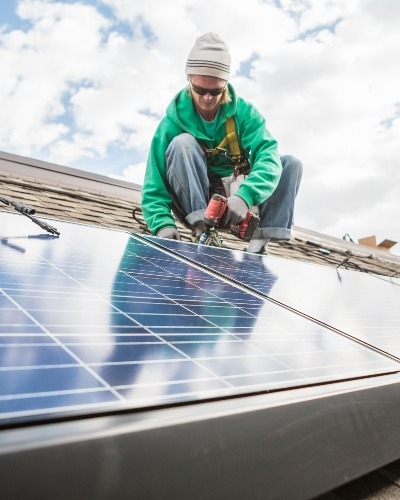
Major economies accelerate climate commitments: China pledges carbon neutrality by 2060, Europe targets net-zero by 2050, and the US re-enters the Paris Agreement.
The ETC helps to launch the Mission Possible Partnership alongside RMI, We Mean Business Coalition and World Economic Forum, translating 1.5°C-aligned pathways into sectoral action across heavy industry and long-distance transport.
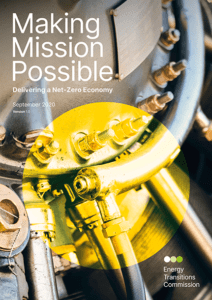
In Making Mission Possible, the ETC shows that clean electrification will drive most decarbonisation, supported by clean hydrogen, sustainable biomass and carbon capture.
~400
Companies with net-zero targets
28%
Renewable % of electricity generation (Ember)
4%
EVs as a share of global vehicle sales (%) (IEA):
2021
1.5°C Becomes the Benchmark


2021
1.5°C Becomes the Benchmark
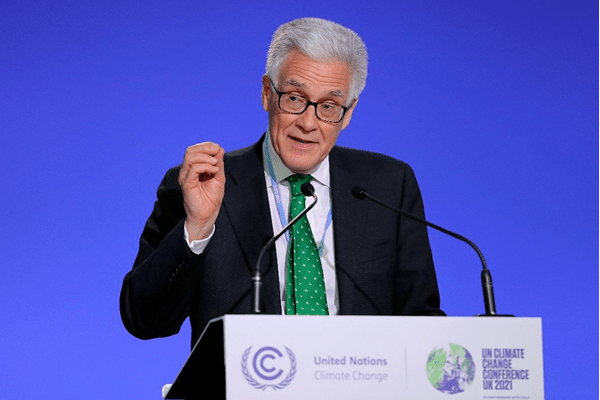
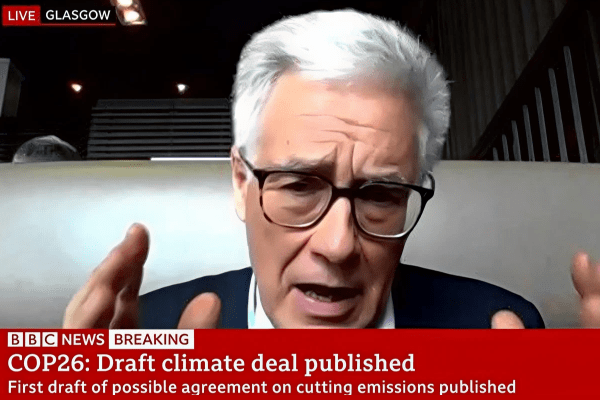
Solar and battery costs fall by more than 90% over the previous decade. At COP26, countries agree to phase down unabated coal and finalise the Article 6 carbon market rulebook, reinforcing 1.5°C as the benchmark for climate action.
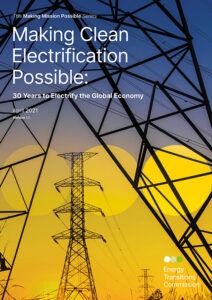
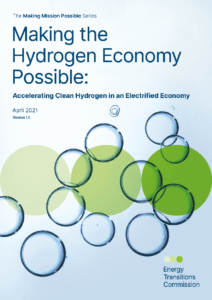
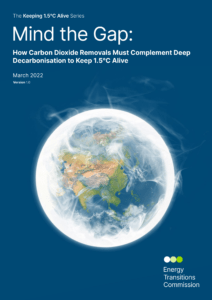
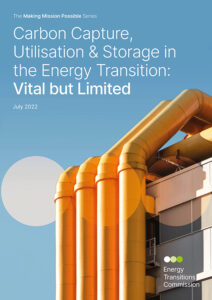
ETC launches a series on Clean Electrification, Hydrogen, Bioresources, Carbon Dioxide Removals, and Carbon Capture and Storage, helping to establish electrification as the backbone of decarbonisation and assessing which technologies can scale fastest and most affordably to achieve a net zero by mid-century.
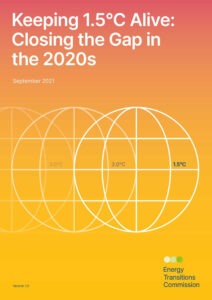
As a knowledge partner to the UK COP26 Presidency, the ETC publishes Keeping 1.5°C Alive, identifying six priority actions that could cut 2030 emissions by ~20 Gt beyond current commitments.

~700
Companies with net-zero targets
28%
Renewable % of electricity generation (Ember)
8%
EVs as a share of global vehicle sales (%) (IEA):
2022
Heavy Industry Decarbonisation in Action

2022
Heavy Industry Decarbonisation in Action
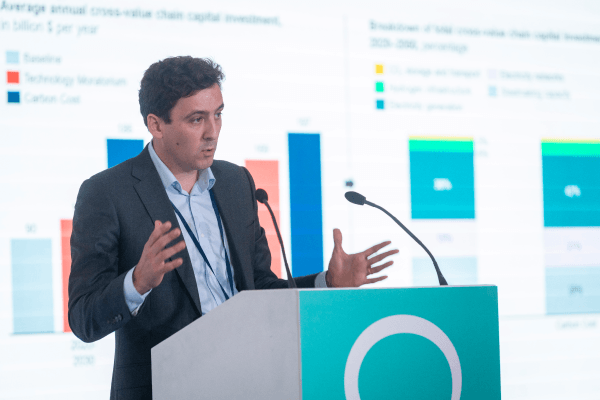
Over 70% of all emissions are covered by national net zero commitments.
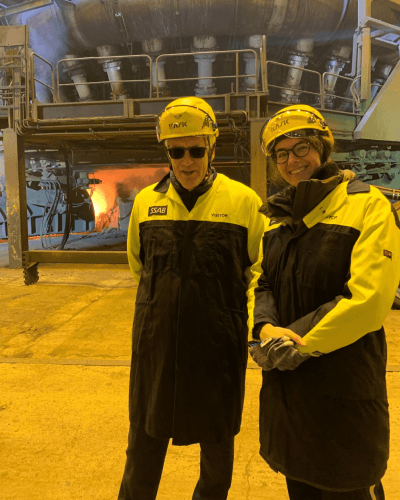
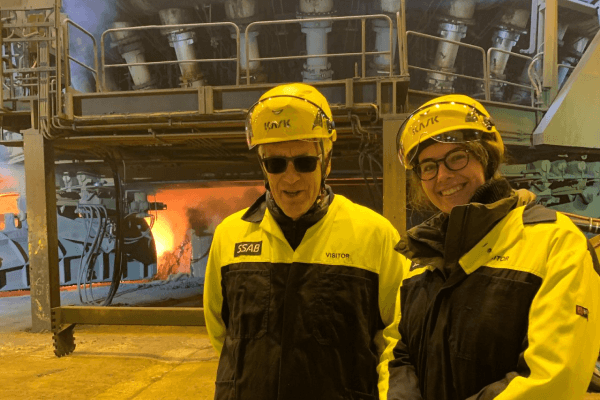
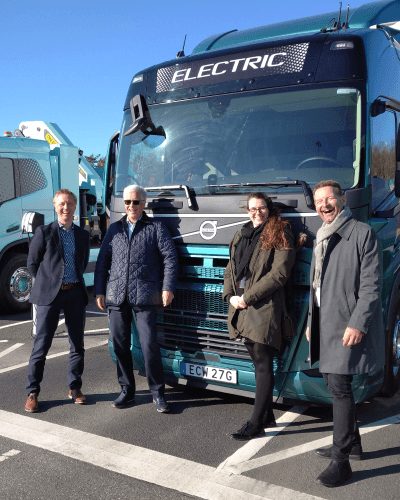
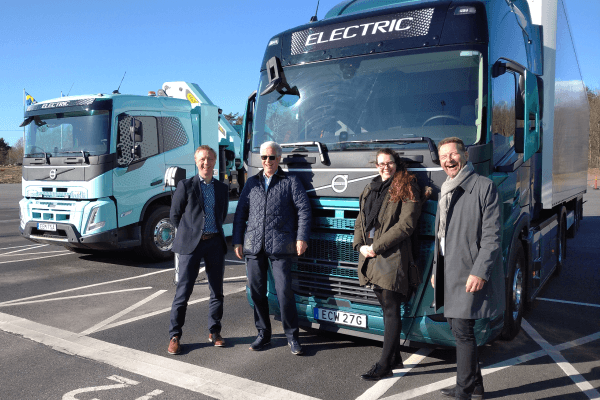
Industrial decarbonisation begins moving from theory to real-world deployment. The ETC visits its member organisations, Volvo and SSAB, in Sweden, showcasing electric heavy-duty trucks and hydrogen-based green steel production.
These developments reflect the influence of ETC’s earlier sector analysis, reinforcing its role as a convener linking evidence, industry and policy action.
~700
Companies with net-zero targets
29%
Renewable % of electricity generation (Ember)
14%
EVs as a share of global vehicle sales (%) (IEA)
2023
Climate Impacts Surge, Clean Energy Scales




2023
Climate Impacts Surge, Clean Energy Scales
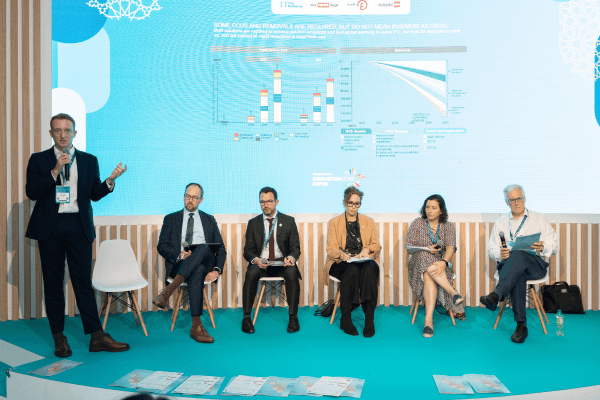
Emissions remain near historic highs, but clean technology deployment jumps by ~50%, with solar PV making up three-quarters of new power capacity.
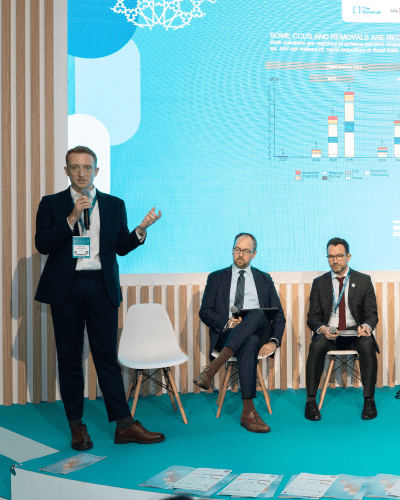
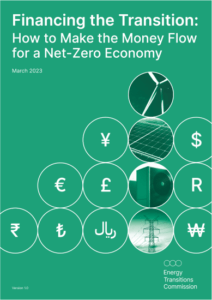
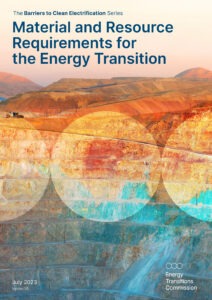
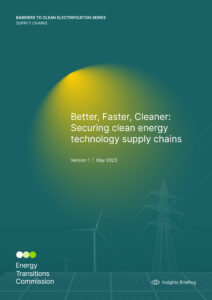
The ETC explores how to overcome barriers in the energy transition, showing that permitting can be accelerated, finance mobilised, critical raw materials and clean technology supply chain constraints managed, and fossil fuel use reduced rapidly in a well-managed transition.
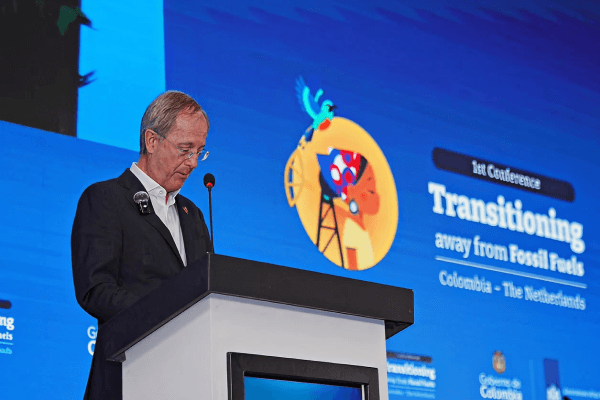
At COP28, governments agreed to transition away from fossil fuels in energy systems, reflecting growing focus on implementation. The ETC also collaborated with Climateworks Centre to map competitive net-zero pathways for Australian industry.

~950
Companies with net-zero targets
30%
Renewable % of electricity generation (Ember)
18%
EVs as a share of global vehicle sales (%) (IEA)
2024
Raising Ambition for the Next Round of NDCs






2024
Raising Ambition for the Next Round of NDCs
The hottest year on record. As countries prepare to update Nationally Determined Contributions (NDCs) ahead of COP30, geopolitical tensions test climate momentum.
The ETC’s Credible Contributions calls for stronger industry–government collaboration to raise climate ambition and increase clean energy investment, particularly in middle- and low-income countries through the Global Climate Finance Pledge (NCQG). This work informs COP29 discussions and reinforces ETC’s role as a trusted advisor.
~1300
Companies with net-zero targets
32%
Renewable % of electricity generation (Ember)
20%
EVs as a share of global vehicle sales (%) (IEA)
2025
Renewables deliver more electricity than coal for the first time




2025
Renewables deliver more electricity than coal for the first time
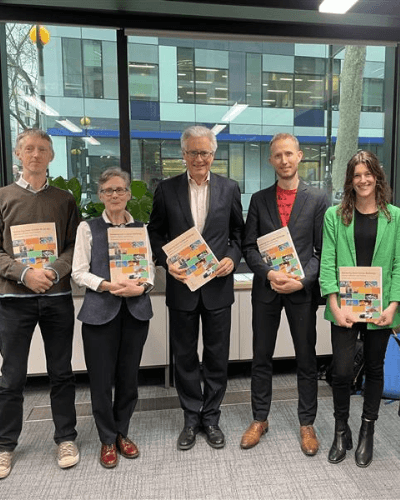
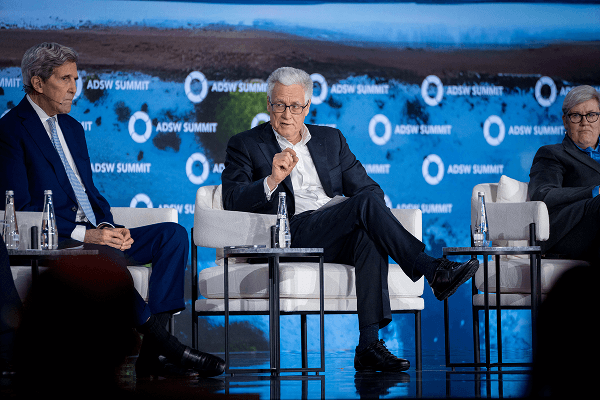
China’s emissions appear to have peaked; renewables generate more electricity than coal for the first time globally.
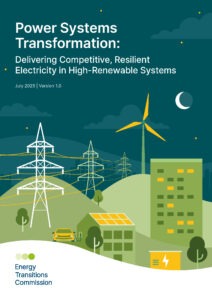
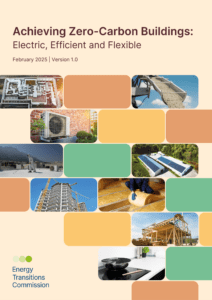
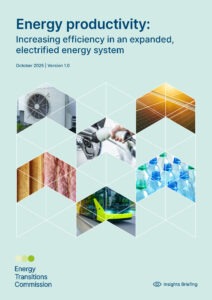
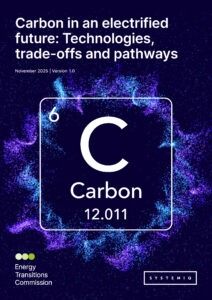
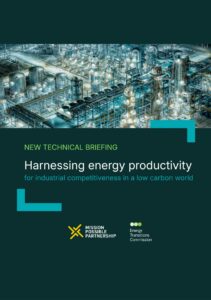
The ETC strengthens the evidence base for clean electrification as the backbone of resilient, competitive net-zero economies. Its analysis shows that Transforming Power Systems, Decarbonising Buildings, and improving Energy Productivity can cut emissions, lower system costs and improve energy security. The ETC also explore the remaining role of Carbon Molecules in producing essential fuels and materials in a highly electrified world.
~2500
Companies with net-zero targets
34%
Renewable % of electricity generation (Ember)
25%
EVs as a share of global vehicle sales (%) (IEA)
2026
Scaling the Zero-Emissions Economy



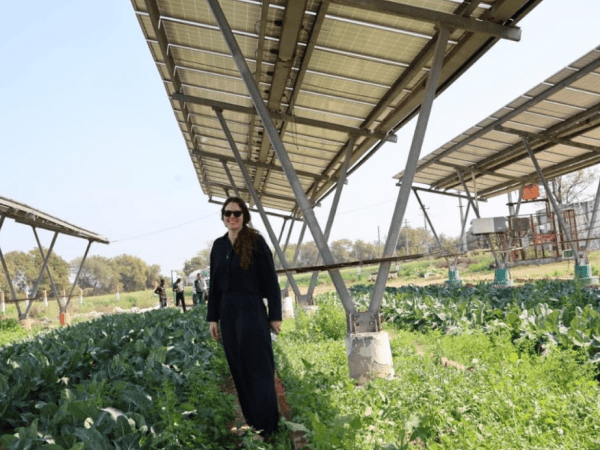
2026
Scaling the Zero-Emissions Economy
A decade after the Paris Agreement, the world remains off track to meet climate goals.
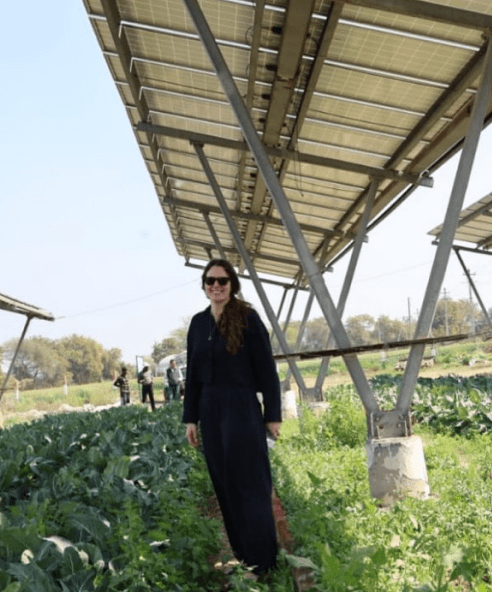
Over 10 years, ETC has helped provide the evidence, shape policy frameworks and mobilise industry and regional partnerships needed to decarbonise power, industry and transport. The Commission is committed to keeping global warming well below 2°C by accelerating the solutions that will scale the global energy transition.
© 2026 Energy Transitions Commission.
Privacy policy | Cookies | Website by Geist*Studio |

The Energy Transitions Commission is powered by Systemiq
© 2026 Energy Transitions Commission. Privacy policy | Cookies | Website by Geist*Studio |