

Lessons on Energy Security after the Hormuz Crisis: How Accelerating the Clean Energy Transition Builds Resilience Against Future Price Shocks
May 2026
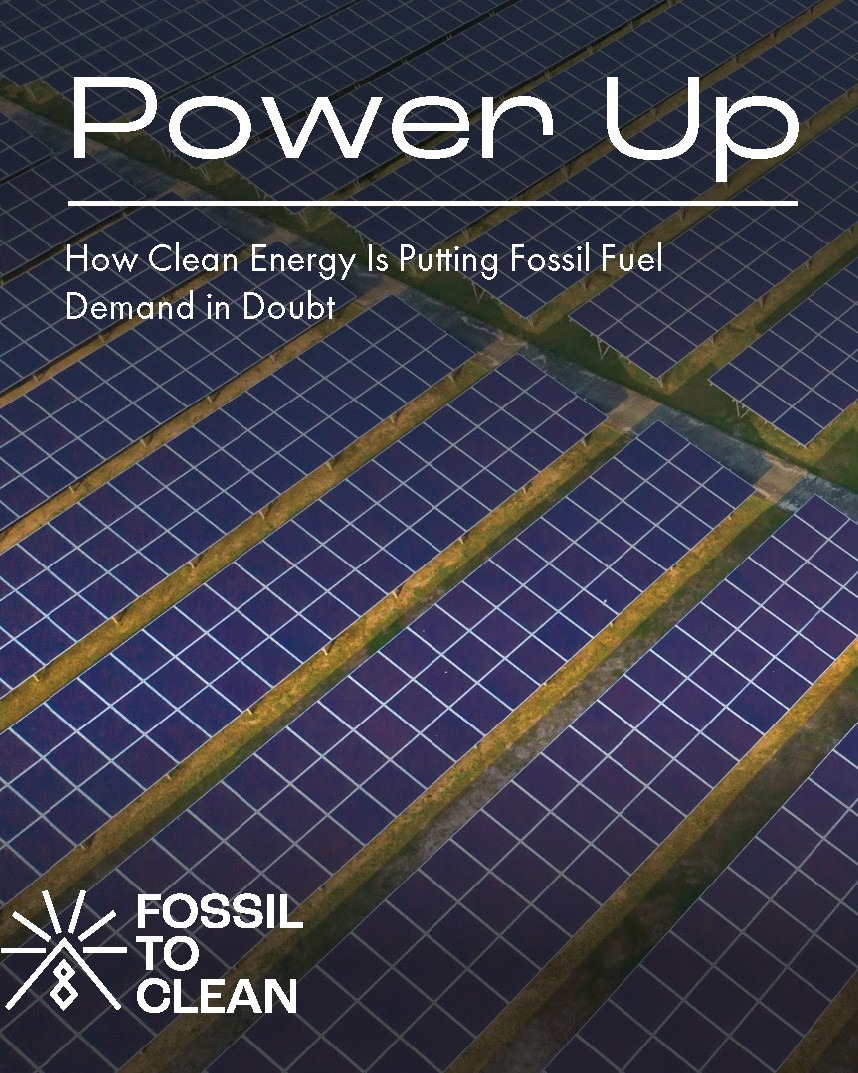
Disruption to oil, LNG and fertiliser markets caused by the closure of the Strait of Hormuz has pushed up costs for governments, businesses and households, with the sharpest impacts in import-dependent economies. It also raises a critical question for policymakers: how should countries respond to energy shocks without locking in the next one?
In Lessons on Energy Security after the Hormuz Crisis, the Energy Transitions Commission argues that emergency responses must protect vulnerable households and essential services, while avoiding long-term fossil fuel lock-in. Expanding fossil fuel infrastructure may appear to strengthen security, but risks reinforcing exposure to volatile global fuel markets.
The report sets out a more durable crisis response: accelerate renewables, electrification, cleaner fuels and fertilisers, and energy efficiency. These measures can reduce exposure to fossil fuel price shocks, strengthen economic resilience, and help build an energy system better prepared for future geopolitical disruption.
Related publications